

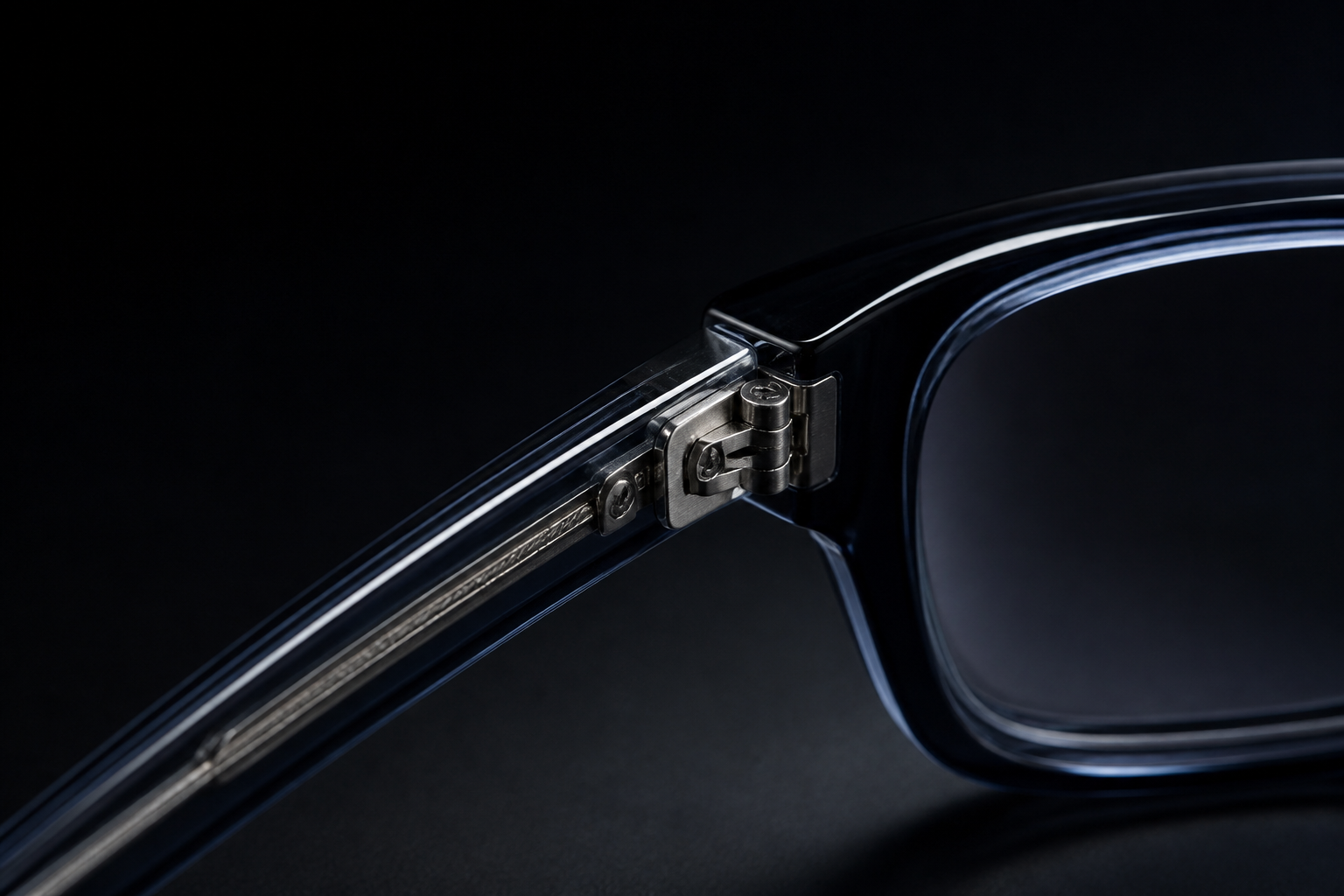
Development and prototyping
Make the design ready to manufacture.
The path to stable production begins before tooling. We review the structure, build 3D data and use prototypes to resolve decisions early.
A prototype is not just a visual sample. It is a production conversation in physical form.
Development resolves production questions early.
A drawing can communicate appearance, but manufacturing also needs structure, scale, components and process decisions. EIDAI uses 3D development and prototypes to make those decisions tangible.
Share your design
Start with drawings, CAD data or a reference sample and explain the intended product.
Review the structure
We assess geometry, components, assembly and the practical requirements of the selected process.
Prototype and refine
3D-printed samples make scale, fit and structural decisions easier to evaluate before tooling.
Start from the information you already have.
Projects can enter development at different levels of definition. The first review identifies what is fixed and what still needs to be resolved.
Concept or sketch
Useful for communicating the design intent, visual character and desired frame direction.
2D drawing
Supports dimensional and construction review while identifying missing production information.
3D or CAD data
Provides a direct basis for geometry review, prototype preparation and manufacturing discussion.
Physical reference
Helps communicate scale, fit, construction, components or finishing expectations that drawings may not show.

The development loop before production.
The purpose is not to add steps. It is to move critical decisions forward, before tooling or production makes changes more difficult.
-
Clarify the product target
Define the intended frame type, construction, material direction and level of support required.
-
Review structure and process
Assess geometry, components, assembly and the practical requirements of the selected manufacturing route.
-
Build or refine 3D data
Prepare a digital definition that can support prototype and production discussions.
-
Evaluate a physical sample
Use a 3D-printed prototype to review scale, form, fit and structural decisions.
-
Release the production path
Carry the approved decisions into tooling, machining data and process preparation.

What the prototype should help decide.
A useful prototype creates agreement around the product before the project advances into production preparation.
Scale and proportion
Review the overall frame, front, temples and the relationship between key dimensions.
Fit and structure
Examine how the design sits, moves, assembles and supports the intended components.
Manufacturing direction
Confirm which decisions are ready to carry into mold development or acetate machining.
What to include in a development inquiry.
Unresolved questions are welcome. Naming them clearly helps define the development work instead of hiding uncertainty until production.
- Available source material
- Sketch, drawing, CAD file, physical frame or other reference.
- Decisions already made
- Frame type, material, color, components and target construction.
- Decisions still open
- Questions about structure, fit, process, prototype or production readiness.
Turn the design into a production-ready definition.
Share the current files and unresolved questions. EIDAI will help identify the next development step.
Start a project